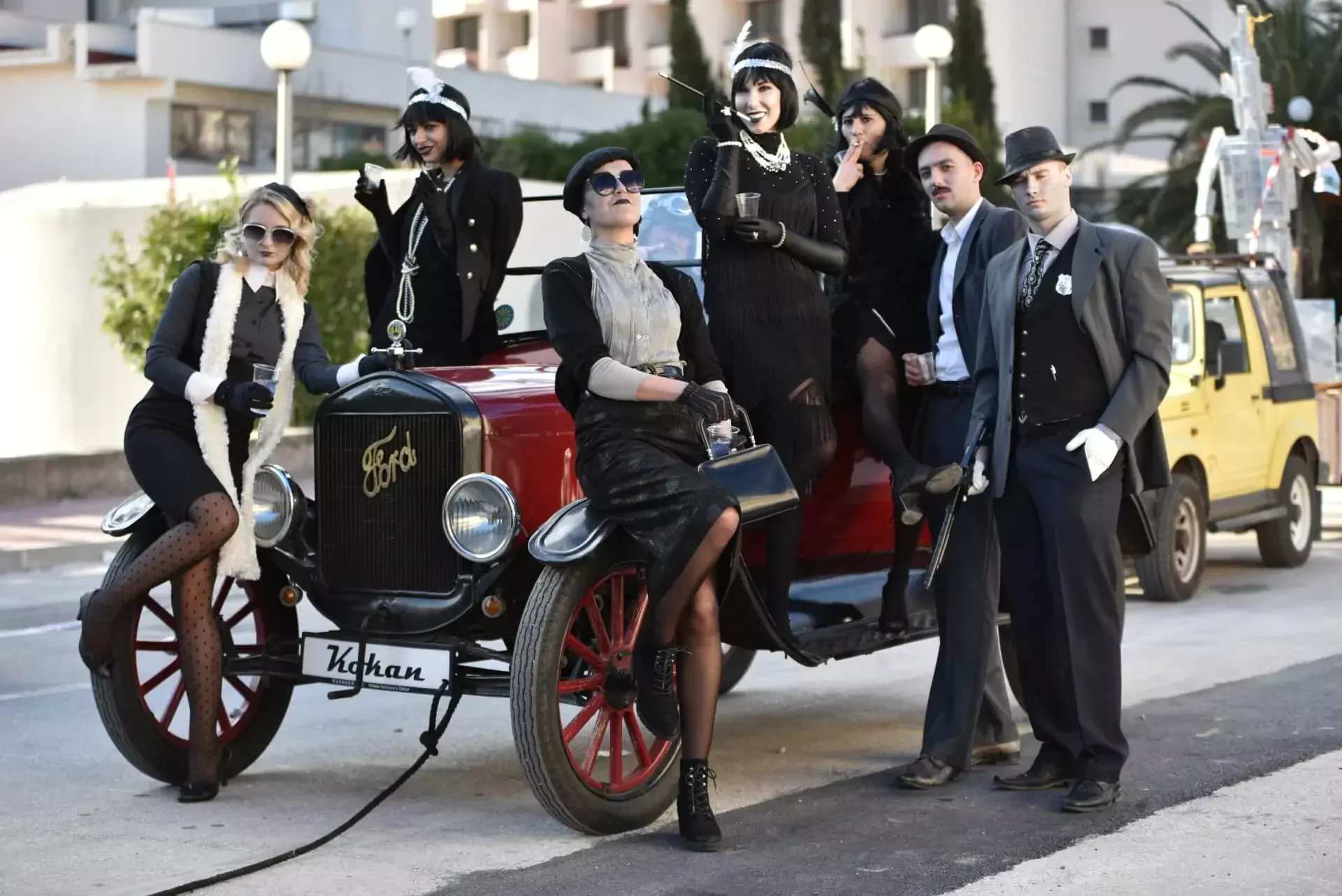
13. February, the Winter Carnival will begin at 3:00 p.m. with a gathering of masquerades near the Meteor and Palma hotels in Ulica Kralja Petra Krešimir IV, and a traditional dinner with live music from 6:00 p.m. at the Miramare Hotel.
Whether you're dancing the samba in the streets of Rio de Janeiro or enjoying the local atmosphere, Brazil's Carnival is a celebration like no other! This exciting event is usually celebrated in February or early March, before the Christian season of Lent. It's that magical season when the streets of Brazil come alive with vibrant colors, infectious rhythms and non-stop festivities!
Our carnivals are held between the Three Kings and Lent when we go crazy under masks and 'feast' on food and drink. It is said that the state of "manitancy" in the Mediterranean was "the least", and the city of Makarska also has its own history of debauchery and madness under masks when Makarans get out of control because they think that everything is allowed during the carnival.
The best condition of Makaran during the carnival time is described by Marino Srzić:'' Everyone 'with butter on their head' was the target of ridicule and the harshest criticism. Kings, presidents, the rich and the rich, and local armchair quarterbacks. All the frustrations, accumulated during the year, should be worked out at least once, so that a person does not "suck on the leaven". That's why we can think of carnivals as primitive group psychotherapy, later replaced by sedative preparations.
The wise bishop Bijanković is credited with diagnosing the 'usfulminance of the people' and prescribing therapy during Lent! The idea of venting during the period of penance is not entirely original and has also been recorded in some Italian cities. It would be a short break from strict abstinence for a worthy welcome to Velika Šetimana. The normally ascetic Bijanković realized that his flock would have a hard time enduring the forty-day silenzio. A former fellow citizen retold the legend like this - Blessed Bijanković was not given peace by Makarani. Uvik was spinning a worm in their ass. They wouldn't be able to make it through Lent, so he would let them fart for one Sunday and then it would be easier to make the house until Easter! It was called a cavalkin. That's the name of an ancient ball.
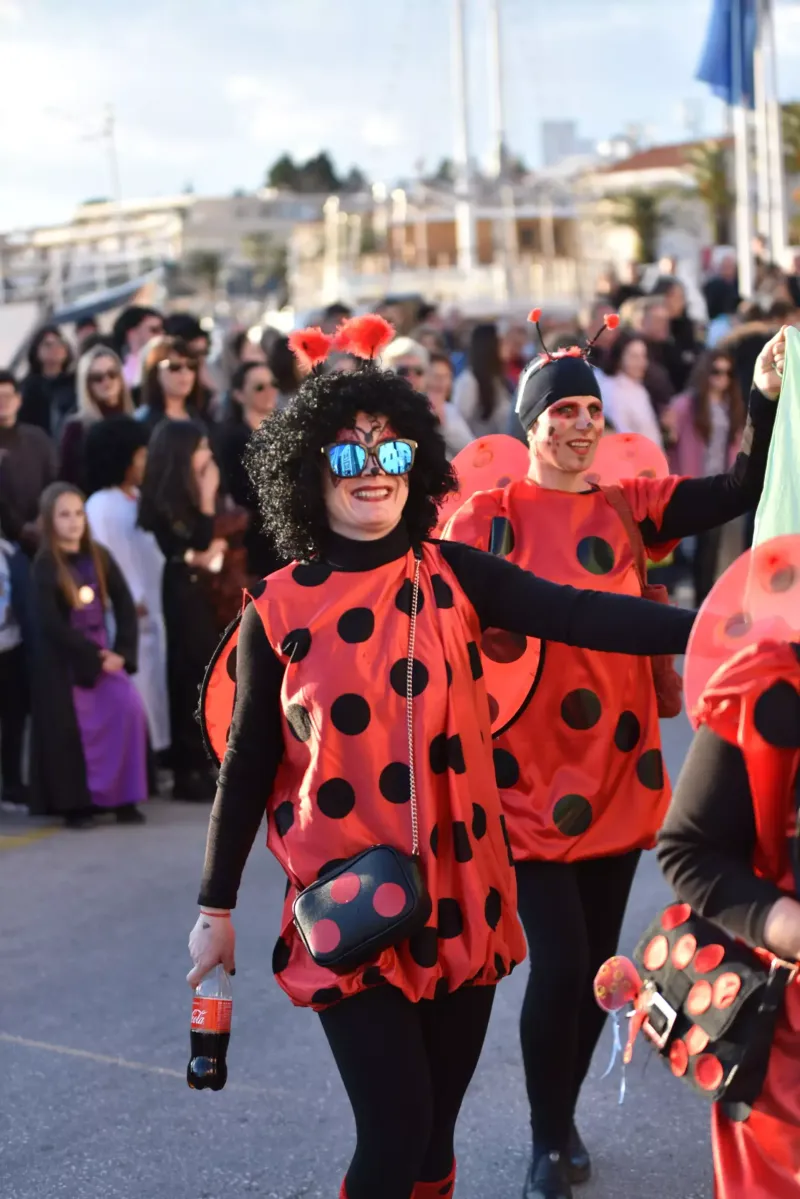
Before the time of penance, especially active work is being done on the problem that has become crucial today; at birth. For our elders, the number of descendants did not cause any major complications. Additions are recorded in a frequent rhythm. By carefully following the date of birth, some statistician will discover a significant regularity. Little Macarani used to come into the world most often from the end of September to the end of the year, which means that they were conceived from the Three Kings to the beginning of Lent, at the time of Carnival. The limits of restraint then become more elastic!
Not only were more children born nine months after the carnival, but within that number there were also more illegitimate births than usual. Especially from the middle of the year before last to the first decades of the last century. Such children later get the nickname of little 'stubs'. It was said that these are particularly happy children, with berekinas and smiles, just like the masquerades, which, in the rhythm of the general 'incance', stimulated their conception.
The pastor's sermons and the bishop's recommendations refer specifically to the 'pernicious scourge of pagan frenzy'. Good-natured epistles are sent: 'Let the young men not join the circle with young virgins. It is not necessary to allow a sinful body to overcome the integrity and fear of God!'
Far later, in the era of tango, too close touching of the body is criticized, and spinning in a wheel, which was once objected to, becomes a model of chastity.
There are also rumors about the secret participation of some of the clergy in carnival festivities. There are elements to believe, but no proof. Disguises, masks and morets successfully hide identities. That is why such stories remain hanging in the air only as fables, and some even become legends. Nothing to complain about. Healthy fun with spiza and babbling, even the most spontaneous have nothing to complain about. '', adds Marino Srzić.
The city of Makarska and the Tourist Board have been preparing for carnival days for a long time, and they are looking forward to Tuesday, February 13, when the traditional Winter Carnival will be held on the city's waterfront, the 22nd in a row.
The winter carnival, which takes place on February 13, will begin at 3:00 p.m. with a gathering of masquerades near the Meteor and Palma hotels in Ulica Kralja Petra Krešimir IV, and a traditional dinner with live music from 6:00 p.m. at the Miramare Hotel.